If you thought Kathmandu was only about high-altitude trekking and street-side momo, your taste buds are in for a serious altitude adjustment. Beyond the dusty charm of Thamel lies a world of white-gloved service, Rana-era opulence, and culinary techniques that bridge the gap between ancient Newari traditions and modern European flair.
In 2025, the city’s fine dining scene is more vibrant than ever, offering experiences that aren’t just meals, but deep dives into Nepal’s complex history. Here is your curated guide to the finest dining experiences in Kathmandu.
Krishnarpan at Dwarika’s Hotel
The Pinnacle of Nepali Slow Dining
Krishnarpan is not just a restaurant; it is a living museum. Located within the world-renowned Dwarika’s Hotel, this establishment is the gold standard for traditional Nepali gastronomy.
- Cuisine: Authentic Nepali and Newari “slow food.” You can choose from a 6 to 22-course meal. Every ingredient is sourced from the hotel’s own organic farms. You’ll be served everything from Samay Baji (a Newari starter platter) to succulent wild boar and hand-ground lentil curries.
- Ambience: You are required to leave your shoes at the door and sit on traditional floor cushions at low wooden tables (bajilo). The waitstaff, dressed in ethnic attire representing different regions of Nepal, provide a level of hospitality that feels genuinely royal.
- Expected Price: $90 – $120 (NPR 12,000 – 16,000) per person, depending on the number of courses.
The Chimney at Hotel Yak & Yeti
A Taste of History and Heritage
The Chimney is a legend in Kathmandu. Founded by the eccentric Russian adventurer Boris Lissanevitch—the man credited with opening Nepal to the world—this restaurant has been the meeting place for diplomats, mountaineers, and royalty since the 1950s.
- Cuisine: A sophisticated blend of European classics and Russian-influenced fusion. Their signature “Chimney Classics” include the Smoked Beckti and the Chicken à la Kiev. For dessert, the Baked Alaska Sagarmatha is a flaming tribute to the Himalayas.
- Ambience: The centerpiece is the original open copper fireplace. The room exudes a “Old World” gentleman’s club vibe with dark woods, brass accents, and candlelight. It’s arguably the most romantic spot in the city.
- Expected Price: $45 – $70 (NPR 6,000 – 9,500) per person.
Le Sherpa
Modern European Elegance
Located in Maharajgunj, Le Sherpa has successfully redefined contemporary fine dining in Nepal. It is the place to see and be seen for Kathmandu’s modern elite.
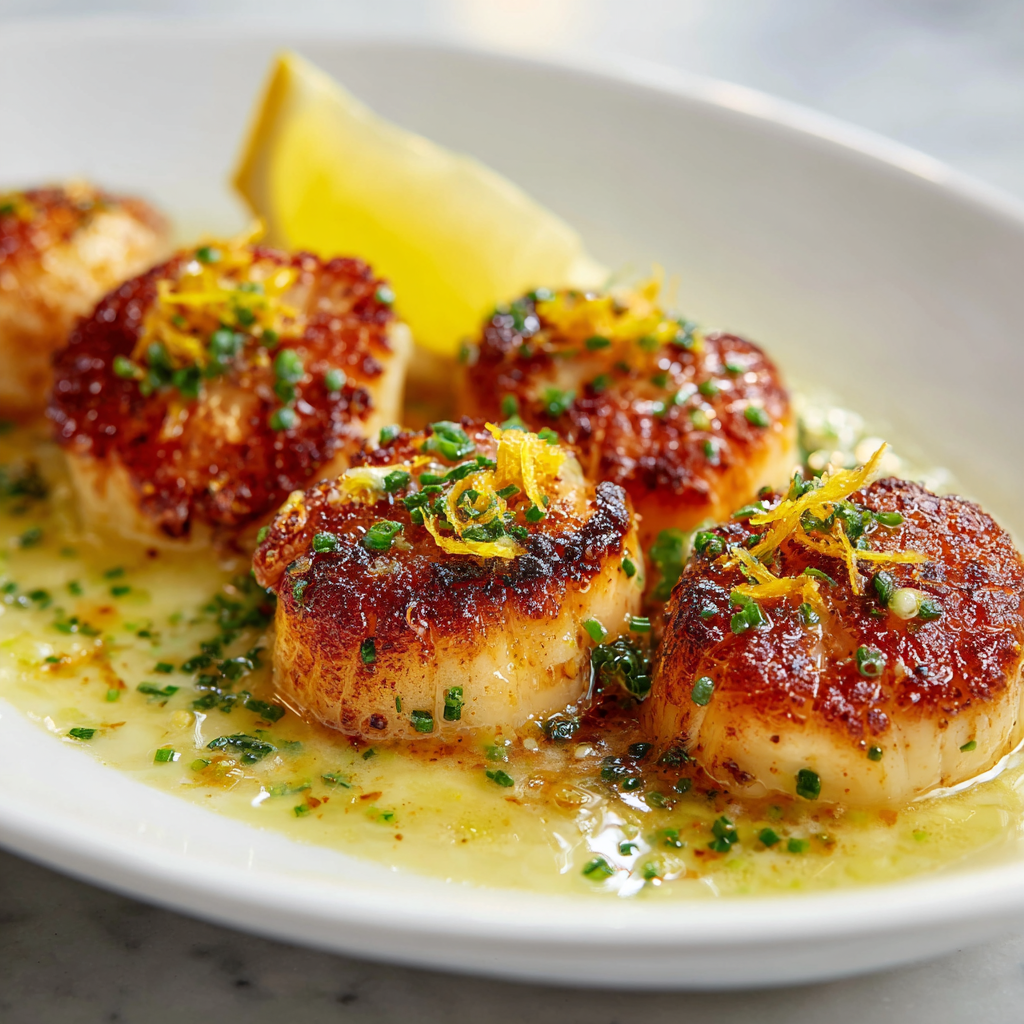
- Cuisine: Refined Modern European with a focus on seasonal, local produce. Expect dishes like pan-seared scallops, slow-cooked lamb shanks, and homemade pastas that would hold their own in London or Paris.
- Ambience: The restaurant is set in a stunning, minimalist glass pavilion overlooking a lush, quiet garden. It’s airy, sophisticated, and feels like a peaceful sanctuary away from the city’s chaos.
- Expected Price: $40 – $60 (NPR 5,500 – 8,000) per person.
Baithak at Baber Mahal Revisited
Dining Like a Rana Maharaja
Set within the restored stables of the Baber Mahal Palace, Baithak offers a “Durbar” (palace) dining experience that transports you back to the 19th-century Rana dynasty.
- Cuisine: High-end Nepalese Durbar cuisine. The food is served on traditional silver platters (thaali). The menu features rich, aromatic meat dishes and intricate vegetable preparations that were once reserved only for the ruling elite.
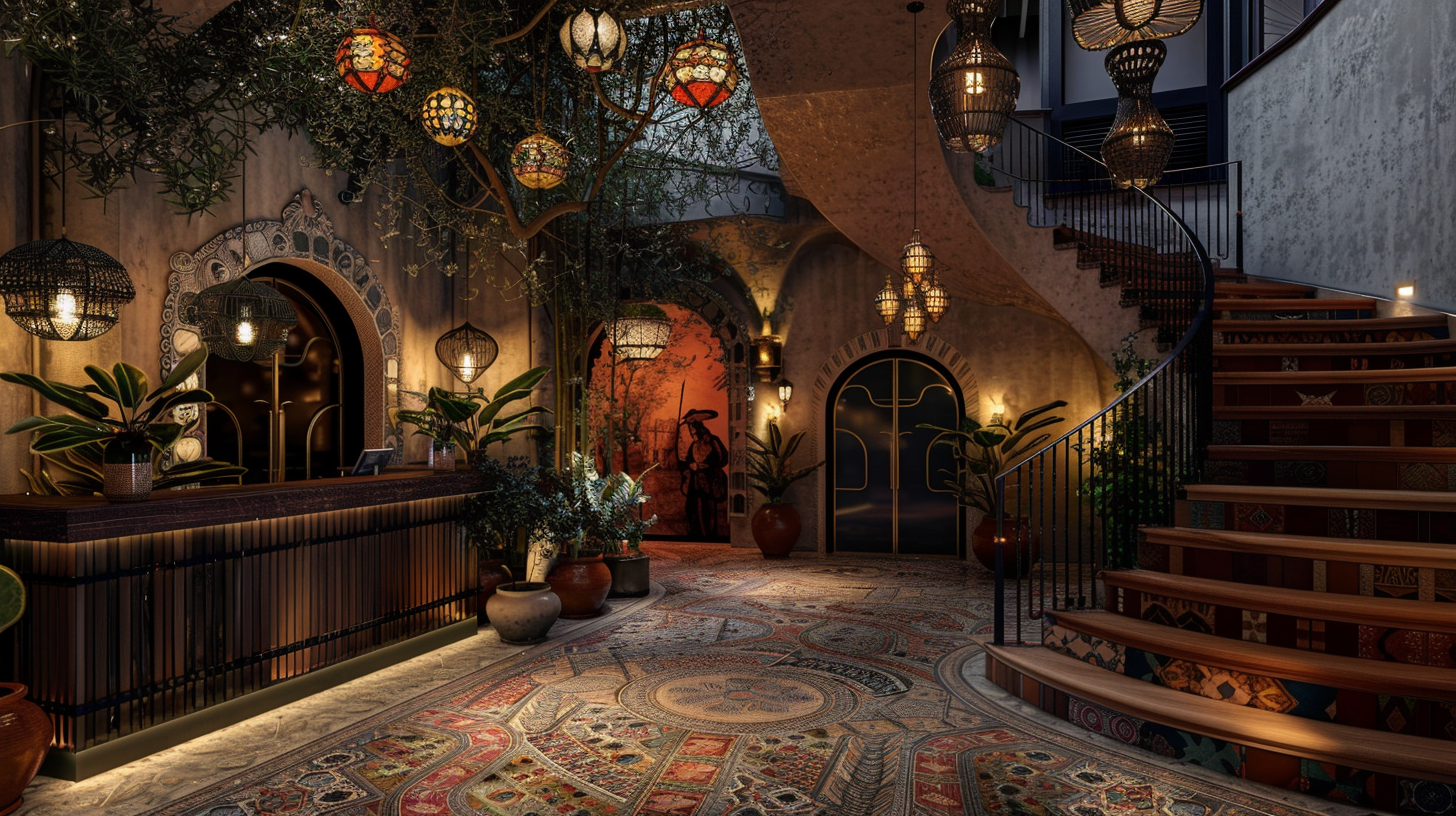
- Ambience: Pure opulence. Think high ceilings, massive oil paintings of Nepali royalty, crystal chandeliers, and starched white linens. It is formal, grand, and unapologetically majestic.
- Expected Price: $50 – $80 (NPR 6,500 – 11,000) per person.
Quick Comparison Table
| Restaurant | Primary Cuisine | Vibe | Best For |
| Krishnarpan | Traditional Nepali | Cultural Immersion | Special Occasions |
| The Chimney | European / Russian | Historic & Moody | Romantic Dinners |
| Le Sherpa | Modern European | Chic & Garden-set | Business / Trendy |
| Baithak | Royal Nepali | Neoclassical Grandeur | History Buffs |
Pro Tip: Most of these establishments have a smart-casual or formal dress code. In the winter months (December–February), even the indoor venues can be chilly, so a pashmina or a light blazer is recommended for a comfortable evening.